

For decades, oncology innovation has focused primarily on developing more effective treatments for advanced disease. Today, however, the industry is beginning to shift toward a new frontier: detecting cancer earlier, before symptoms emerge and before disease progression limits treatment success. Within healthcare systems, including Canadian Health, this transition has the potential to fundamentally reshape cancer care delivery and outcomes.
Advances in liquid biopsy technologies, genomic sequencing, and artificial intelligence are driving rapid progress in early detection capabilities. Blood based screening tests designed to identify cancer signals at very early stages are attracting significant investment and scientific attention. Supporters believe these technologies could dramatically improve survival rates by enabling intervention before cancers become aggressive or metastatic.
The commercial opportunity is substantial. Early detection expands the oncology market beyond treatment into long term screening and preventive care, creating entirely new business models for diagnostics companies, healthcare providers, and pharmaceutical organizations. Companies are increasingly positioning themselves not only as therapy developers but as broader oncology ecosystem participants. Within Canadian Health discussions, this raises important considerations around screening adoption, infrastructure readiness, and equitable access.
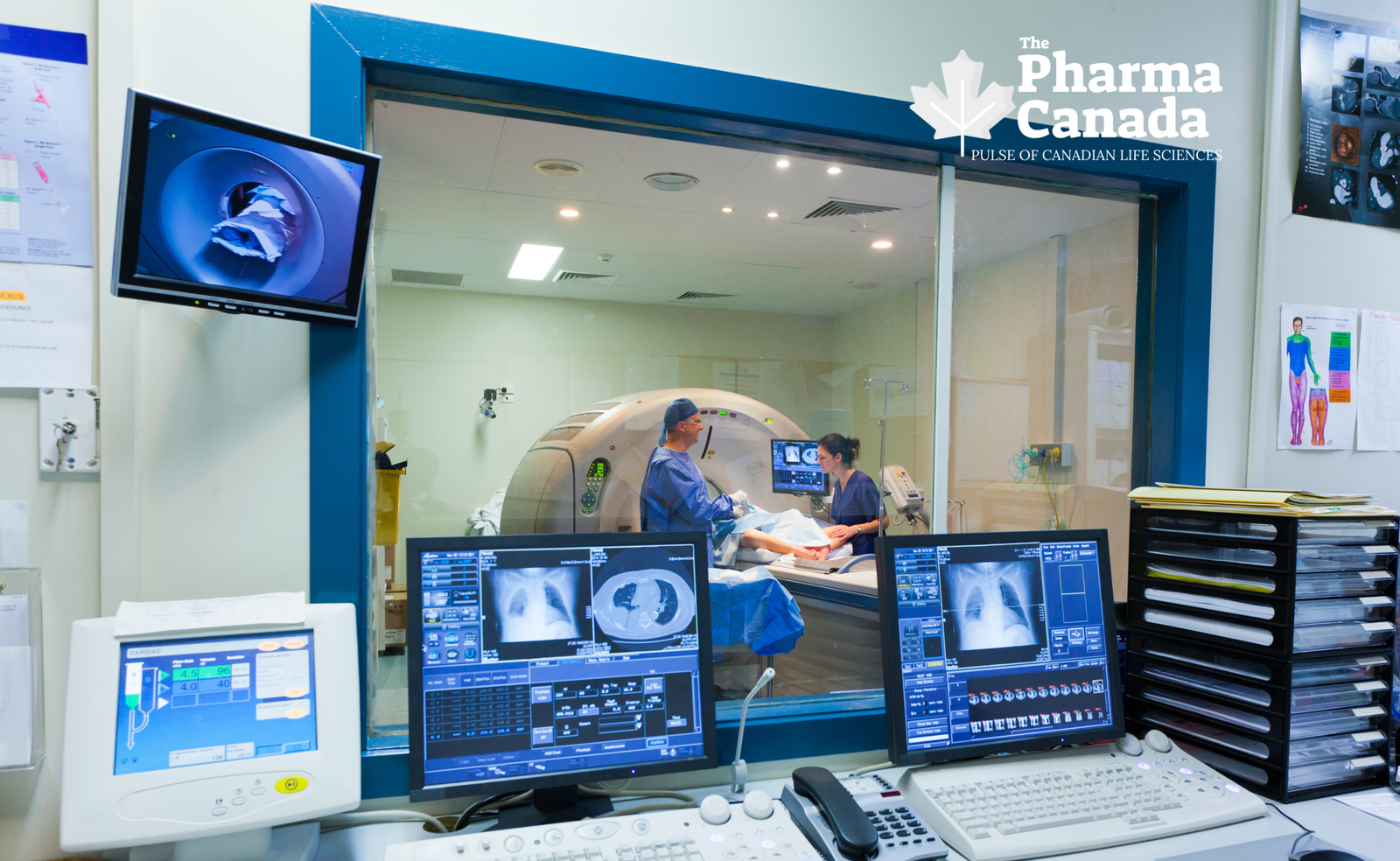
Artificial intelligence is also becoming a powerful force in this evolution. AI driven imaging analysis and predictive modeling are improving the accuracy of screening tools while helping clinicians identify subtle patterns that may otherwise go undetected. Combined with large scale healthcare datasets, these technologies are accelerating the shift toward more proactive and data driven oncology care.
However, early detection introduces complex clinical, ethical, and system level challenges. Questions remain around false positives, overdiagnosis, and the psychological and financial burden associated with population wide screening programs. Healthcare systems must carefully balance the promise of early intervention with the risks of unnecessary procedures and increased downstream costs.
Regulatory pathways are also evolving as agencies work to evaluate emerging detection technologies that rely heavily on real world data and AI driven analytics. Ensuring accuracy, reproducibility, and equitable access will be critical as these tools move toward broader adoption within Canadian Health and other publicly funded systems.
Importantly, the shift toward early detection could alter the economics of oncology itself. If cancers are identified and treated earlier, long term healthcare costs may decrease while patient outcomes improve significantly. This has the potential to redefine value across the entire cancer care continuum and reshape funding priorities.
Ultimately, the future of oncology may depend not only on treating disease more effectively, but on finding it sooner. The next major breakthrough in cancer care may not be a therapy at all—it may be the ability to detect cancer before it fully takes hold.