
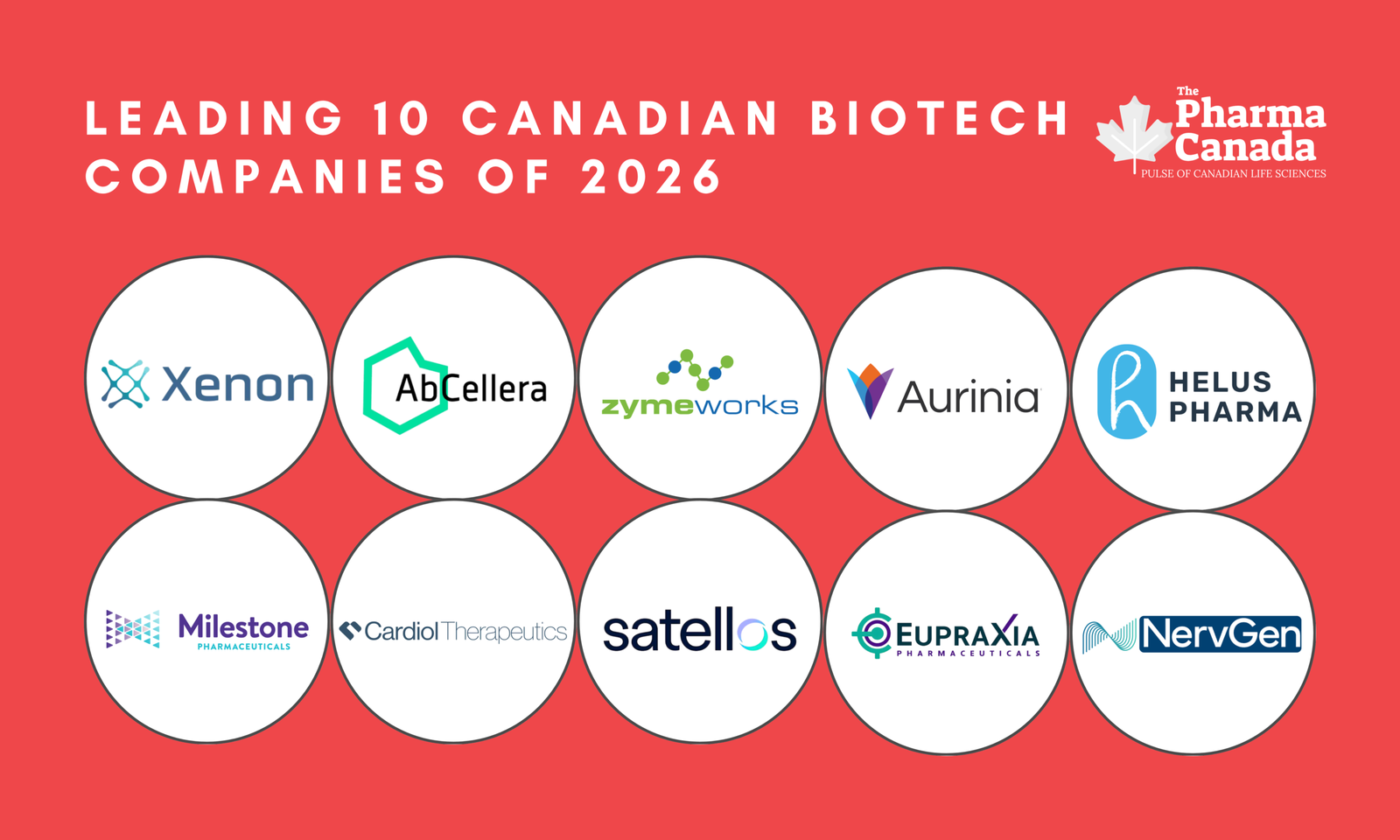
Canada’s biotechnology industry is entering a defining era of scientific innovation, global investment, and clinical excellence. The Leading 10 Canadian Biotech Companies of 2026 report highlights the organizations transforming healthcare through breakthroughs in neuroscience, oncology, autoimmune diseases, regenerative medicine, cardiovascular care, antibody engineering, and AI-enabled drug discovery. Together, these companies have invested more than US$700 million in research and development, advancing late-stage clinical programs, securing major regulatory milestones, and forging strategic global partnerships. From pioneering first-in-class therapies to redefining precision medicine, these innovators are strengthening Canada’s position as one of the world’s fastest-growing biotechnology hubs while shaping the future of medicine for patients worldwide.

1. Xenon Pharmaceuticals
Company Overview
Xenon Pharmaceuticals is a Canadian clinical-stage biopharmaceutical company headquartered in Burnaby, British Columbia, focused on developing innovative therapies for neurological and psychiatric disorders. Founded in 1996 and listed on the Nasdaq under the ticker XENE, the company specializes in precision medicines targeting ion channel dysfunction through its expertise in human genetics and channel biology. Xenon has established itself as one of Canada’s leading neuroscience-focused biotechnology companies with a robust late-stage pipeline addressing epilepsy, major depressive disorder (MDD), bipolar depression, and pain. By combining advanced drug discovery capabilities with strong clinical execution, the company is committed to delivering transformative therapies for patients with significant unmet medical needs.
R&D Expenditure
Research and development remain the cornerstone of Xenon’s growth strategy. In FY2025, the company invested approximately $300.93M in research and development, representing one of the largest R&D investments among Canadian biotechnology companies. The investment primarily supported multiple global Phase 3 clinical trials for its lead candidate azetukalner, alongside the advancement of early-stage neuroscience programs, including selective ion channel modulators for pain. This sustained investment reflects Xenon’s commitment to accelerating clinical development while expanding its innovative neuroscience pipeline.
Key Innovation Areas
Xenon’s research is centered on the development of novel small-molecule therapies targeting ion channels, which regulate electrical signaling in the nervous system. Its lead investigational therapy, azetukalner, is a first-in-class potassium channel opener being evaluated across multiple Phase 3 studies for focal onset seizures, primary generalized tonic-clonic seizures, major depressive disorder, and bipolar depression. Beyond azetukalner, the company is advancing XEN1701, a selective NaV1.7 inhibitor for acute pain, and XEN1120, a next-generation Kv7 channel modulator for pain management. Xenon is also progressing a NaV1.1-targeted program for Dravet syndrome, reinforcing its strategy of building a diversified neuroscience portfolio through precision ion channel modulation.
Recent Developments
In 2026, Xenon achieved a major clinical milestone by reporting positive topline results from the Phase 3 X-TOLE2 trial evaluating azetukalner in patients with focal onset seizures. The study met its primary endpoint and demonstrated one of the strongest efficacy outcomes reported in a pivotal epilepsy study, supporting the company’s planned New Drug Application (NDA) submission to theUS FDA in the third quarter of 2026. Xenon also continued enrollment across additional Phase 3 studies in epilepsy, major depressive disorder, and bipolar depression, while advancing Phase 1 development of XEN1701 and XEN1120 for pain indications.
Future Outlook
Xenon Pharmaceuticals is well positioned to transition from a clinical-stage biotechnology company to a fully integrated commercial biopharmaceutical organization. The anticipated regulatory submission and potential commercialization of azetukalner represent significant value-creating milestones, while continued expansion into neuropsychiatric disorders and pain broadens the drug’s commercial potential. Supported by one of the strongest neuroscience pipelines in Canada and sustained investment in research and innovation, Xenon is expected to remain a leader in precision neuroscience, delivering next-generation therapies that address complex neurological and psychiatric diseases.

2. AbCellera Biologics
Company Overview
AbCellera Biologics is a Canadian clinical-stage biotechnology company headquartered in Vancouver, British Columbia, specializing in the discovery and development of next-generation antibody therapeutics. Founded in 2012, the company combines artificial intelligence, machine learning, computational biology, microfluidics, single-cell screening, and protein engineering to accelerate the discovery of antibody-based medicines. Listed on the Nasdaq under the ticker ABCL, AbCellera has evolved from a technology-enabled antibody discovery partner into a fully integrated biotechnology company with a growing proprietary clinical pipeline. While continuing strategic collaborations with leading pharmaceutical companies, the company is increasingly focused on developing first-in-class and best-in-class therapeutics targeting endocrinology, immunology, inflammation, oncology, and metabolic diseases, positioning itself among Canada’s leading biotechnology innovators.
R&D Expenditure
Research and development remain central to AbCellera’s long-term growth strategy. In FY2025, the company invested approximately $167.25M in research and development to advance its expanding portfolio of proprietary antibody therapeutics and strengthen its integrated drug discovery platform. The investment primarily supported clinical development of internal programs, progression of multiple IND-enabling studies, platform innovation, and the expansion of antibody engineering, computational biology, and translational research capabilities. This sustained investment underscores AbCellera’s commitment to transforming innovative antibody discoveries into differentiated therapeutic candidates with significant clinical potential.
Key Innovation Areas
AbCellera’s innovation strategy is built around an integrated technology platform that combines advanced biology, artificial intelligence, high-throughput microfluidics, genomics, and computational engineering to rapidly identify and optimize therapeutic antibodies. The company’s lead clinical candidate, ABCL635, is a first-in-class monoclonal antibody targeting neurokinin-3 receptor (NK3R) for the non-hormonal treatment of vasomotor symptoms associated with menopause. Another key program, ABCL575, is being developed for moderate-to-severe atopic dermatitis through inhibition of the OX40/OX40L inflammatory pathway. In addition, the company is advancing ABCL688 for autoimmune diseases and several preclinical oncology programs, reflecting its strategy of building a diversified portfolio of internally developed antibody medicines while leveraging its proprietary antibody discovery technologies.
Recent Developments
During 2025 and 2026, AbCellera continued to accelerate the transition of its proprietary pipeline into clinical development. The company advanced ABCL635 through its Phase 1/2 clinical study following successful initiation of clinical dosing and reported encouraging interim data supporting its safety and pharmacological activity. It also progressed ABCL575 in Phase 1 development while expanding additional proprietary programs into IND-enabling studies. In June 2026, AbCellera further strengthened its oncology portfolio through a strategic collaboration with Jazz Pharmaceuticals to develop next-generation T-cell engager antibody therapies for solid tumors, reinforcing its position as a leading innovator in antibody therapeutics and precision medicine.
Future Outlook
AbCellera is well positioned to become one of Canada’s leading clinical-stage biotechnology companies by combining its industry-leading antibody discovery platform with a rapidly expanding proprietary pipeline. Continued advancement of its clinical candidates, increasing investment in artificial intelligence-enabled drug discovery, and strategic pharmaceutical collaborations are expected to drive long-term value creation. As more internally developed programs progress through clinical development, AbCellera is expected to strengthen its position as a global leader in next-generation antibody therapeutics while delivering innovative treatment options across oncology, immunology, endocrinology, and autoimmune diseases.

3. Zymeworks
Company Overview
Zymeworks is a Canadian clinical-stage biotechnology company headquartered in Vancouver, British Columbia, focused on developing next-generation multifunctional biotherapeutics for the treatment of cancer and other difficult-to-treat diseases. Founded in 2003 and listed on the Nasdaq under the ticker ZYME, the company has built a strong reputation through its proprietary antibody engineering platforms, including Azymetric, EFECT, and ProTECT, which enable the design of differentiated bispecific antibodies and antibody-drug conjugates (ADCs). Zymeworks operates through a hybrid business model that combines proprietary product development with strategic collaborations and licensing partnerships with leading global pharmaceutical companies. The company’s success in advancing Ziihera (zanidatamab-hrii), the first FDA-approved HER2-targeted bispecific antibody, has further established Zymeworks as one of Canada’s leading oncology innovators.
R&D Expenditure
Research and development remain a strategic priority for Zymeworks as it continues to expand its portfolio of novel oncology therapeutics. In FY2025, the company invested approximately $137M in research and development. The investment primarily supported the advancement of its clinical-stage pipeline, including ZW191, ZW251, and other next-generation multispecific antibody candidates, while also strengthening its proprietary antibody engineering platforms and preclinical research programs. The continued investment reflects Zymeworks’ commitment to developing innovative biologics that address unmet needs across multiple solid tumor indications.
Key Innovation Areas
Zymeworks’ innovation strategy centers on the development of multifunctional antibody therapeutics designed to improve efficacy, selectivity, and safety in oncology. Its proprietary Azymetric platform enables the creation of bispecific antibodies capable of simultaneously binding two different targets, while the EFECT platform enhances immune-mediated anti-tumor activity through Fc engineering. The company’s commercial and clinical success has been driven by Ziihera (zanidatamab-hrii), a HER2-targeted bispecific antibody approved for HER2-positive biliary tract cancer and being evaluated across multiple HER2-expressing solid tumors. Beyond zanidatamab, Zymeworks is advancing a diversified pipeline that includes ZW191, an antibody-drug conjugate targeting folate receptor alpha (FRα), ZW251, a glypican-3-targeting ADC for hepatocellular carcinoma, and additional preclinical programs utilizing its proprietary multispecific antibody technologies.
Recent Developments
During 2025 and 2026, Zymeworks achieved several significant milestones across its pipeline. Positive Phase 3 HERIZON-GEA-01 results demonstrated that Ziihera significantly improved progression-free survival in patients with HER2-positive gastroesophageal adenocarcinoma, supporting regulatory expansion into first-line treatment. In 2026, theUS FDA accepted the supplemental Biologics License Application (sBLA) for this indication with a Priority Review designation. The company also continued advancing ZW191 and ZW251 through clinical development while outlining strategic priorities focused on expanding its wholly owned oncology pipeline. In June 2026, Zymeworks further strengthened its long-term growth strategy by announcing the acquisition of Theravance Biopharma, expanding beyond oncology into respiratory diseases and adding a commercial product to its portfolio.
Future Outlook
Zymeworks is well positioned to strengthen its leadership in next-generation antibody therapeutics through continued expansion of its proprietary oncology pipeline and differentiated technology platforms. The anticipated label expansion of Ziihera, advancement of multiple antibody-drug conjugates, and continued innovation across bispecific and multispecific antibody engineering are expected to drive long-term growth. Combined with strategic business development initiatives and the expansion of its commercial capabilities, Zymeworks is evolving into a diversified biotechnology company with significant opportunities to deliver innovative therapies for patients with cancer and other serious diseases.

4. Aurinia Pharmaceuticals
Company Overview
Aurinia Pharmaceuticals is a Canadian commercial-stage biopharmaceutical company headquartered in Edmonton, Alberta, focused on developing and commercializing innovative therapies for autoimmune diseases with high unmet medical needs. Founded in 2013 and listed on the Nasdaq under the ticker AUPH, the company has established itself as a leader in autoimmune disease therapeutics through its approved product LUPKYNIS (voclosporin), the first FDA-approved oral therapy for adults with active lupus nephritis. Building on its commercial success, Aurinia is expanding beyond lupus nephritis by advancing a diversified pipeline of next-generation immunology therapies, reinforcing its long-term strategy of becoming a leading autoimmune disease company with both commercial and clinical-stage assets.
R&D Expenditure
Research and development remain an important component of Aurinia’s strategy to expand its autoimmune disease portfolio. In FY2025, the company invested approximately $32.5M in research and development. The investment primarily supported the clinical advancement of aritinercept (AUR200), expansion of its autoimmune pipeline, translational research, and the development of innovative therapies targeting immune-mediated diseases. Through continued investment in scientific innovation, Aurinia aims to diversify beyond its commercial lupus nephritis franchise while strengthening its position in autoimmune medicine.
Key Innovation Areas
Aurinia’s innovation strategy focuses on developing targeted therapies that modulate immune pathways involved in chronic autoimmune diseases. Its flagship commercial product, LUPKYNIS (voclosporin), has become an important treatment option for patients with active lupus nephritis by improving renal outcomes when used alongside standard therapy. The company’s lead pipeline candidate, aritinercept (AUR200), is a novel dual inhibitor of BAFF and APRIL, two cytokines that play critical roles in B-cell activation and autoimmune disease progression. Aritinercept is being investigated for multiple autoimmune indications, including IgA nephropathy, systemic lupus erythematosus (SLE), and lupus nephritis, reflecting Aurinia’s strategy of leveraging a single mechanism across several immune-mediated disorders.
Recent Developments
During 2025 and 2026, Aurinia continued to strengthen both its commercial business and clinical pipeline. The company reported positive Phase 1 results for aritinercept, demonstrating favorable safety, tolerability, pharmacokinetics, and sustained target engagement, supporting advancement into multiple autoimmune disease indications. In 2026, Aurinia reaffirmed its revenue guidance following continued growth in LUPKYNIS sales and announced that aritinercept would progress in clinical development across three potential autoimmune indications. The company also initiated the PRESERVE Phase 4 study evaluating LUPKYNIS in combination with biologic therapies for lupus nephritis, highlighting its commitment to optimizing long-term treatment outcomes for patients.
Future Outlook
Aurinia Pharmaceuticals is well positioned to build upon the commercial success of LUPKYNIS while evolving into a diversified autoimmune disease biotechnology company. Continued expansion of its commercial franchise, advancement of aritinercept into later-stage clinical development, and ongoing investment in innovative immunology programs are expected to support sustainable long-term growth. With an established commercial foundation and a pipeline targeting multiple autoimmune disorders, Aurinia is strategically positioned to deliver next-generation therapies that address significant unmet needs across immune-mediated diseases.

5. Cybin (Helus Pharma)
Company Overview
Cybin, now operating as Helus Pharma, is a Canadian clinical-stage neuropsychiatry company headquartered in Toronto, Ontario, dedicated to developing next-generation psychedelic-based therapeutics for mental health disorders. Founded in 2019, the company has emerged as a global leader in the rapidly evolving field of neuropsychiatric drug development by combining innovative serotonergic compounds with proprietary drug delivery technologies and patient-centered treatment models. Following its corporate rebranding to Helus Pharma in late 2025, the company reaffirmed its mission to advance evidence-based therapies for major depressive disorder (MDD), generalized anxiety disorder (GAD), and other psychiatric conditions. Through a robust intellectual property portfolio and a growing clinical pipeline, Helus Pharma aims to transform mental healthcare by developing treatments that offer durable therapeutic benefits while improving the patient experience.
R&D Expenditure
Research and development continue to drive Helus Pharma’s long-term growth strategy. In FY2025, the company invested approximately $2.68M in research and development to advance its proprietary neuropsychiatric pipeline and next-generation drug delivery technologies. The investment primarily supported the clinical development of HLP003 (formerly CYB003) and HLP004 (formerly CYB004), expansion of preclinical research programs, and the development of novel serotonergic agonists designed to improve efficacy, safety, and treatment accessibility for patients with mental health disorders.
Key Innovation Areas
Helus Pharma’s innovation strategy is centered on developing proprietary Novel Serotonergic Agonists (NSAs) that are designed to provide rapid, durable, and clinically meaningful improvements in psychiatric disorders. Its lead candidate, HLP003, is a deuterated psilocin analog being developed as an adjunctive treatment for major depressive disorder (MDD) and has received Breakthrough Therapy Designation from theUS FDA. The company is also advancing HLP004, a deuterated intramuscular DMT formulation for generalized anxiety disorder (GAD), designed to deliver shorter treatment sessions while maintaining therapeutic efficacy. Supported by proprietary formulation technologies and an extensive intellectual property portfolio comprising hundreds of granted patents and patent applications, Helus Pharma is building a differentiated pipeline aimed at redefining psychedelic-assisted mental healthcare.
Recent Developments
During 2025 and 2026, Helus Pharma achieved several important clinical milestones. The company initiated its global Phase 3 PARADIGM program evaluating HLP003 for major depressive disorder, making it one of the few psychedelic-based therapies to enter late-stage clinical development. In 2026, Helus also reported positive topline Phase 2 results for HLP004 in patients with generalized anxiety disorder, demonstrating statistically significant improvements in anxiety symptoms with a favorable safety profile. Additionally, the company completed enrollment in the Phase 2 HLP004 study and continued expanding its intellectual property portfolio and global clinical development strategy, reinforcing its leadership in next-generation neuropsychiatric therapeutics.
Future Outlook
Helus Pharma is well positioned to become a leading innovator in neuropsychiatric medicine as it advances multiple late-stage clinical programs targeting depression and anxiety disorders. The anticipated Phase 3 results for HLP003, continued clinical progress of HLP004, and expansion of its proprietary pipeline are expected to serve as key growth catalysts over the coming years. Supported by a strong scientific foundation, differentiated drug development platform, and growing intellectual property portfolio, the company is strategically positioned to help shape the future of evidence-based psychedelic therapeutics while addressing significant unmet needs in mental health care.

6. Milestone Pharmaceuticals
Company Overview
Milestone Pharmaceuticals is a Canadian commercial-stage biopharmaceutical company headquartered in Montreal, Quebec, focused on developing and commercializing innovative cardiovascular therapies for patients with acute heart rhythm disorders. Founded in 2003 and listed on the Nasdaq under the ticker MIST, the company specializes in rapid-acting, self-administered medicines that enable patients to manage cardiovascular events outside of hospital settings. Milestone’s lead product, CARDAMYST (etripamil) nasal spray, represents a significant advancement in the treatment of paroxysmal supraventricular tachycardia (PSVT) by offering the first FDA-approved self-administered therapy for acute episodes. Building on its commercial launch, the company is expanding the clinical utility of etripamil into additional cardiovascular indications, positioning itself as an innovator in emergency cardiovascular care.
R&D Expenditure
Research and development continue to play an important role in Milestone’s strategy to expand the clinical applications of its cardiovascular portfolio. In FY2025, the company invested approximately $18.1M in research and development. The investment primarily supported lifecycle development of etripamil, regulatory activities, clinical studies evaluating new indications, and research aimed at broadening the therapeutic potential of its proprietary intranasal calcium channel blocker technology. These investments reinforce Milestone’s commitment to delivering innovative cardiovascular therapies that improve patient outcomes while reducing reliance on emergency medical care.
Key Innovation Areas
Milestone’s innovation strategy is centered on developing rapid-response cardiovascular medicines that can be self-administered during acute cardiac events. Its flagship product, CARDAMYST (etripamil), is a fast-acting intranasal calcium channel blocker approved for the conversion of acute symptomatic episodes of paroxysmal supraventricular tachycardia (PSVT) to normal sinus rhythm in adults. The therapy is designed to provide patients with an effective, on-demand treatment option outside of healthcare facilities, representing a major shift in the management of episodic arrhythmias. Beyond PSVT, the company is expanding etripamil into atrial fibrillation with rapid ventricular response (AFib-RVR) through a Phase 3 clinical program, aiming to address another significant unmet need in cardiovascular medicine.
Recent Developments
During 2025 and 2026, Milestone achieved its most significant milestone to date with theUS FDA approval of CARDAMYST (etripamil), making it the first and only self-administered nasal spray approved for adults experiencing symptomatic PSVT. Following approval, the company successfully launched the product across the United States, secured national formulary coverage through Express Scripts, and reported encouraging early physician adoption and patient uptake. Milestone also initiated its pivotal Phase 3 trial evaluating etripamil in patients with AFib-RVR, while advancing regulatory submissions in Europe, where the European Medicines Agency accepted its Marketing Authorization Application for review. These achievements mark Milestone’s transition from a clinical-stage developer to a commercial-stage cardiovascular company with global expansion opportunities.
Future Outlook
Milestone Pharmaceuticals is well positioned to capitalize on the commercial launch of CARDAMYST while expanding its presence in the cardiovascular therapeutics market. Continued adoption of the product in the United States, potential regulatory approvals in Europe and other international markets, and the advancement of the AFib-RVR program are expected to serve as key growth drivers. With a differentiated product addressing significant unmet needs in cardiac rhythm management and continued investment in lifecycle innovation, Milestone is strategically positioned to become a leading company in rapid-response cardiovascular medicine.

7. Cardiol Therapeutics
Company Overview
Cardiol Therapeutics is a Canadian clinical-stage life sciences company headquartered in Oakville, Ontario, focused on developing innovative therapies for inflammatory heart diseases with significant unmet medical needs. Founded in 2017 and listed on both the Nasdaq and the Toronto Stock Exchange under the ticker CRDL, the company is dedicated to advancing anti-inflammatory and anti-fibrotic treatments for cardiovascular conditions. Its development strategy centers on targeting inflammation, a key driver of heart disease progression, with the goal of improving clinical outcomes in patients suffering from rare and severe cardiac disorders. Through a focused pipeline and a science-driven approach, Cardiol has positioned itself as one of Canada’s emerging biotechnology companies in cardiovascular medicine.
R&D Expenditure
Research and development remain fundamental to Cardiol Therapeutics’ clinical advancement strategy. In FY2025, the company invested approximately $10.23M in research and development. The investment primarily supported late-stage clinical studies evaluating CardiolRx, regulatory activities, manufacturing development, and ongoing research aimed at expanding the therapeutic applications of its proprietary cannabidiol formulation. This continued investment reflects the company’s commitment to developing innovative therapies that address inflammation-driven cardiovascular diseases.
Key Innovation Areas
Cardiol Therapeutics focuses on developing therapies that target inflammation and fibrosis, two critical mechanisms involved in the progression of cardiovascular diseases. Its lead investigational therapy, CardiolRx, is a pharmaceutically manufactured oral cannabidiol formulation being evaluated for recurrent pericarditis, an inflammatory heart condition associated with repeated episodes of chest pain and potential long-term cardiac complications. The company is also investigating CardiolRx in acute myocarditis, a potentially life-threatening inflammatory disease of the heart muscle, through the Phase 2 ARCHER trial. In addition, Cardiol is advancing CRD-38, a novel subcutaneous drug candidate designed to provide sustained anti-inflammatory effects for chronic cardiovascular diseases, further expanding its pipeline of innovative heart disease therapies.
Recent Developments
During 2025 and 2026, Cardiol Therapeutics continued to make significant progress across its clinical pipeline. The company advanced patient enrollment in the MAvERIC-Pilot Phase 2 study evaluating CardiolRx for recurrent pericarditis and continued the ARCHER Phase 2 trial in patients with acute myocarditis. In 2026, Cardiol reported encouraging operational progress across both programs while strengthening its intellectual property portfolio and advancing the development of CRD-38 toward clinical evaluation. The company also presented new scientific and clinical data at leading international cardiology conferences, reinforcing the potential of its anti-inflammatory approach in treating cardiovascular diseases.
Future Outlook
Cardiol Therapeutics is well positioned to become a leader in the treatment of inflammatory heart diseases as it advances its clinical programs toward key value-creating milestones. Upcoming data from the recurrent pericarditis and myocarditis studies, together with continued development of CRD-38, are expected to expand the company’s pipeline and strengthen its position within the cardiovascular biotechnology sector. Supported by sustained investment in research and a focused clinical strategy, Cardiol aims to deliver first-in-class therapies that improve outcomes for patients with serious inflammatory cardiac disorders while establishing a differentiated presence in precision cardiovascular medicine.

8. Satellos Bioscience
Company Overview
Satellos Bioscience is a Canadian clinical-stage biotechnology company headquartered in Markham, Ontario, focused on developing regenerative therapies for degenerative muscle diseases. Founded in 2018 and listed on both the Nasdaq and the Toronto Stock Exchange under the ticker MSCL, the company is pioneering a novel therapeutic approach that restores the body’s natural ability to regenerate skeletal muscle rather than replacing missing proteins or correcting genetic mutations. Leveraging its proprietary MyoReGenX platform, Satellos targets the underlying impairment in muscle stem cell regeneration that contributes to disease progression. The company’s lead focus is Duchenne muscular dystrophy (DMD), with long-term plans to expand its regenerative medicine platform into additional neuromuscular disorders. Through its differentiated science and mutation-independent therapeutic strategy, Satellos has established itself as one of Canada’s emerging leaders in regenerative medicine.
R&D Expenditure
Research and development remain the cornerstone of Satellos Bioscience’s growth strategy. In FY2025, the company invested approximately $18.42M in research and development to advance its regenerative medicine platform and clinical pipeline. The investment primarily supported the clinical development of SAT-3247, expansion of translational and preclinical research, manufacturing activities, and the continued advancement of the company’s proprietary MyoReGenX technology platform. These investments reflect Satellos’ commitment to developing disease-modifying therapies that restore muscle regeneration and improve functional outcomes for patients with neuromuscular diseases.
Key Innovation Areas
Satellos’ innovation strategy focuses on restoring the body’s innate muscle repair mechanism by targeting AAK1 (Adaptor-Associated Kinase 1), a key regulator of muscle stem cell polarity and regeneration. Its lead investigational candidate, SAT-3247, is an orally administered small-molecule therapy designed to reactivate muscle stem cells and promote muscle regeneration in patients with Duchenne muscular dystrophy, regardless of their underlying genetic mutation. Unlike gene replacement or exon-skipping therapies that target specific mutations, SAT-3247 aims to restore muscle repair through a mutation-independent mechanism, making it potentially applicable to a broader DMD patient population. The company’s proprietary MyoReGenX platform also provides opportunities to develop regenerative therapies for additional muscle disorders, including facioscapulohumeral muscular dystrophy (FSHD) and other degenerative muscle diseases.
Recent Developments
During 2025 and 2026, Satellos achieved several important milestones in the development of SAT-3247. The company reported encouraging Phase 1 clinical data demonstrating favorable safety, tolerability, pharmacokinetics, and early signals of improved muscle function in adults with Duchenne muscular dystrophy. Building on these findings, Satellos initiated the Phase 2 TRAILHEAD clinical trial to further evaluate the efficacy and safety of SAT-3247 in patients with DMD. In June 2026, theUS FDA granted Fast Track designation to SAT-3247 for the treatment of Duchenne muscular dystrophy, recognizing the therapy’s potential to address a significant unmet medical need. The company also presented updated clinical data at major international neuromuscular conferences, further validating its regenerative medicine approach.
Future Outlook
Satellos Bioscience is well positioned to become a leader in regenerative medicine for neuromuscular diseases as it advances SAT-3247 through clinical development. The ongoing TRAILHEAD Phase 2 study, combined with the benefits of FDA Fast Track designation, is expected to accelerate development and regulatory interactions. Looking ahead, the company plans to expand the application of its MyoReGenX platform beyond Duchenne muscular dystrophy into additional muscle disorders, creating opportunities for pipeline diversification and long-term growth. Supported by continued investment in research and a differentiated regenerative medicine platform, Satellos is strategically positioned to deliver innovative therapies that have the potential to transform the treatment of debilitating muscle diseases.

9. Eupraxia Pharmaceuticals Inc.
Company Overview
Eupraxia Pharmaceuticals Inc. is a Canadian clinical-stage biotechnology company headquartered in Victoria, British Columbia, focused on developing locally delivered, long-acting therapeutics for inflammatory diseases. Founded in 2011 and listed on both the Nasdaq and the Toronto Stock Exchange under the ticker EPRX, the company has built its pipeline around its proprietary DiffuSphere drug delivery technology, which is designed to provide sustained, localized release of established therapeutics while minimizing systemic exposure and associated side effects. By combining innovative drug delivery with clinically validated molecules, Eupraxia aims to improve treatment outcomes for chronic inflammatory conditions. Its lead development programs target eosinophilic esophagitis (EoE) and knee osteoarthritis, positioning the company as an emerging innovator in localized drug delivery.
R&D Expenditure
Research and development remain central to Eupraxia’s strategy of advancing differentiated therapies through its proprietary DiffuSphere platform. In FY2025, the company invested approximately $21.33M in research and development. The investment primarily supported clinical development of EP-104GI for eosinophilic esophagitis, advancement of EP-104IAR for knee osteoarthritis, manufacturing scale-up, regulatory activities, and continued optimization of its sustained-release drug delivery technology. This investment reflects the company’s commitment to expanding the clinical applications of its platform while accelerating the development of innovative therapies for chronic inflammatory diseases.
Key Innovation Areas
Eupraxia’s innovation strategy is centered on its proprietary DiffuSphere technology, which enables localized and controlled drug delivery over extended periods, potentially reducing dosing frequency and systemic adverse effects. The company’s lead candidate, EP-104GI, is a long-acting injectable formulation of fluticasone propionate administered directly into the esophageal wall for the treatment of eosinophilic esophagitis (EoE). The therapy is designed to provide sustained anti-inflammatory activity at the site of disease while minimizing systemic corticosteroid exposure. Eupraxia is also advancing EP-104IAR, an intra-articular formulation for knee osteoarthritis, which demonstrated positive Phase 2b results and is intended to provide prolonged pain relief through localized corticosteroid delivery. Together, these programs highlight the versatility of the DiffuSphere platform across multiple inflammatory diseases.
Recent Developments
During 2025 and 2026, Eupraxia achieved several important milestones across its clinical pipeline. The company reported encouraging long-term data from its Phase 1b/2 RESOLVE trial demonstrating sustained improvements in symptoms, tissue health, and eosinophil reduction with EP-104GI in patients with eosinophilic esophagitis. Based on these results, Eupraxia expanded the Phase 2b portion of the RESOLVE study to enroll a larger patient population and selected the optimal dosing regimen for future development. In 2026, the company also presented positive 36-week clinical data at Digestive Disease Week (DDW) 2026, highlighting the potential of EP-104GI to become a differentiated treatment for EoE. Additionally, Eupraxia strengthened its financial position through a US$63.2M public offering, extending its cash runway beyond key clinical milestones and supporting expansion of EP-104GI into additional indications.
Future Outlook
Eupraxia Pharmaceuticals is well positioned to advance its leadership in localized drug delivery through continued clinical development of EP-104GI and the broader application of its DiffuSphere technology. Upcoming Phase 2b data, potential expansion into additional gastrointestinal inflammatory diseases, and further development of EP-104IAR are expected to serve as important growth catalysts. With a differentiated technology platform, encouraging clinical results, and sustained investment in research and development, Eupraxia is strategically positioned to become a leading innovator in long-acting localized therapies for inflammatory diseases.

10. NervGen Pharma
Company Overview
NervGen Pharma is a Canadian clinical-stage biotechnology company headquartered in Vancouver, British Columbia, focused on developing first-in-class neuroreparative therapies for spinal cord injury and other neurological disorders. Founded in 2010 and listed on the Nasdaq under the ticker NGEN, the company is pioneering treatments designed to enable the nervous system to repair itself by overcoming the biological barriers that inhibit nerve regeneration following injury. Its proprietary research is based on discoveries made at Case Western Reserve University and targets chondroitin sulfate proteoglycans (CSPGs), molecules that prevent nerve regeneration after damage. Through its innovative approach, NervGen aims to restore neurological function and improve quality of life for patients living with chronic spinal cord injuries and other neurodegenerative conditions.
R&D Expenditure
Research and development remain the foundation of NervGen’s corporate strategy. In FY2025, the company invested approximately $10.12M in research and development. The investment primarily supported the clinical advancement of NVG-291, expansion of translational neuroscience research, manufacturing activities, regulatory preparations, and continued development of the company’s neuroreparative platform. These investments underscore NervGen’s commitment to advancing regenerative therapies capable of restoring neurological function in patients with debilitating nervous system disorders.
Key Innovation Areas
NervGen’s innovation strategy is centered on developing therapies that promote nerve regeneration by targeting the inhibitory effects of CSPGs, which accumulate following spinal cord injury and other neurological damage. Its lead investigational candidate, NVG-291, is a first-in-class neuroreparative peptide designed to restore communication between damaged nerve cells and improve motor and sensory function. The therapy is being developed primarily for chronic tetraplegia resulting from spinal cord injury (SCI) and has demonstrated encouraging improvements in upper-limb function, mobility, independence, and quality of life during clinical evaluation. Beyond spinal cord injury, the company is exploring the potential application of its neuroreparative platform across additional neurological conditions, including multiple sclerosis, ischemic stroke, and Alzheimer’s disease, providing opportunities to expand the therapeutic reach of its technology.
Recent Developments
During 2025 and 2026, NervGen achieved several significant clinical and regulatory milestones. In April 2026, the company successfully completed its End-of-Phase 2 meeting with theUS FDA, securing alignment on the design of the RESTORE Phase 3 registrational study evaluating NVG-291 for chronic tetraplegia, with study initiation targeted for mid-2026. Shortly thereafter, independent blinded biomechanical analyses from the Phase 1b/2a CONNECT SCI trial demonstrated statistically significant improvements in gait quality and objective measures of neural recovery, further strengthening the clinical evidence supporting NVG-291. During the same period, NervGen also completed its Nasdaq listing, enhancing its visibility within the global biotechnology investment community while supporting future clinical development initiatives.
Future Outlook
NervGen Pharma is well positioned to become a leader in regenerative neuroscience through the continued advancement of NVG-291 toward commercialization. The planned initiation of the RESTORE Phase 3 study represents a pivotal milestone in the company’s development, while positive clinical data continue to validate its novel neuroreparative mechanism. Looking ahead, NervGen intends to expand its platform into additional neurological disorders characterized by impaired nerve regeneration, creating opportunities for long-term pipeline growth. Supported by sustained investment in research and a differentiated scientific approach, the company is strategically positioned to transform the treatment landscape for spinal cord injury and other neurotraumatic diseases.